Comparing Skincare Samples: How Several Options Can Speed Up Decisions
In this article
When a product deadline is tight, sending one sample at a time can create a slow sequence of delivery, testing and interpretation. In some projects, preparing several clearly defined alternatives makes the next decision easier.
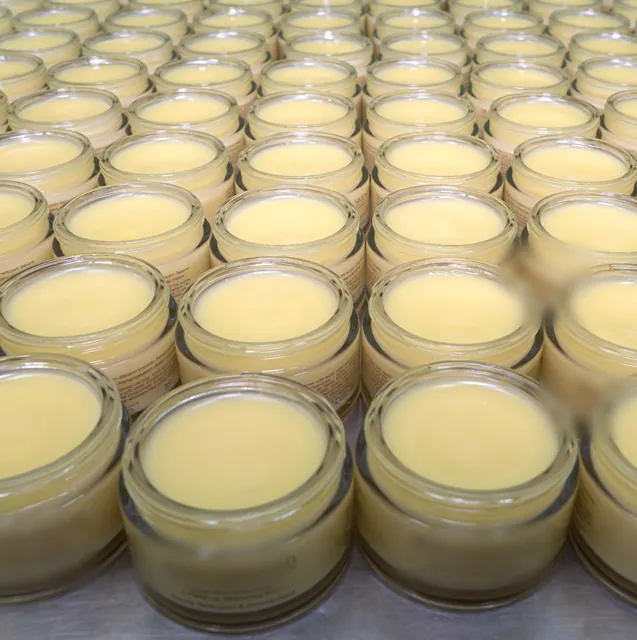
For one urgent visit to Tsilkov Cosmetics, our team prepared six options. The client compared texture, consistency and skin feel in person, called colleagues and selected a development direction while everyone was still discussing the same samples.
Give every sample a purpose
More samples are useful only when their differences answer a question. Before preparing alternatives, agree which properties are being explored. One comparison might focus on richness; another might explore the balance between initial spread and the finish after application.
Keep the differences understandable. If every feature changes at once, a preferred sample may be difficult to interpret. The development team needs to know which characteristics produced the preference.
Label versions before the review
Each sample should carry an identifier that connects it to the laboratory record. Use those identifiers in notes, photographs and follow-up emails. A description such as the second jar on the left will not remain reliable after the meeting.
Record when and how the sample was evaluated. The amount applied and the order of comparison can influence a person's impression. A consistent review method helps separate a real preference from a change in the way the samples were used.
Agree the criteria with the decision-makers
Consider the experience during application and afterwards. Useful discussion points include spread, absorption, perceived richness, residual feel and suitability for the intended routine. Where relevant, consider how the product will be dispensed.
Invite the people whose approval is needed, either in person or remotely. A sample selected by one person may need another round of evaluation if the commercial or brand team sees it only later.
Select a direction without skipping the next stages
Choosing a preferred sensory profile is a development decision. It does not automatically mean all testing and production preparation are complete. Record what has been selected and what still needs to be assessed.
That distinction protects the value of a fast meeting. The team can move forward with a clear direction while maintaining the technical work required for the finished product.
Use the meeting to remove waiting
The benefit of the six-sample approach was the ability to compare and discuss immediately. It reduced the need for another cycle of shipping and ambiguous feedback. It was an approach suited to that brief, rather than a fixed number of samples every project requires.
When planning a sample review, ask which alternatives would make the next decision more useful. Good preparation can shorten the conversation between a first impression and a clear development instruction.
Developed from our original LinkedIn post.