Cosmetic Packaging Compatibility: Why One Wrong Cap Matters
In this article
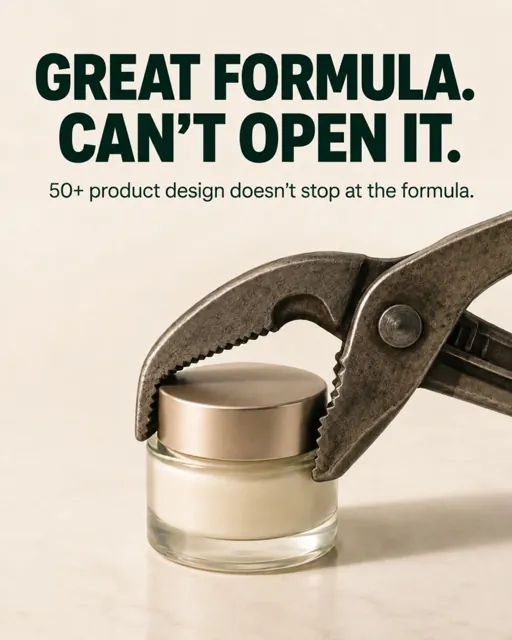
A cap is a small part of a cosmetic product, but the wrong one can have a large effect on production. A bottle may look correct in a presentation and a formula may meet the sensory brief, yet the assembled pack can still create a problem when it reaches the filling line.
A poor fit, an unreliable seal or an unsuitable dispensing system can put a launch under pressure. Packaging compatibility therefore belongs in the development plan, alongside the formulation and artwork, rather than in a final check after all components have arrived.
Specify the whole packaging assembly
Identify the bottle or jar, closure, liner, pump and any other relevant component. Use clear supplier references so that everyone is discussing the same assembly, not simply a similar-looking pack.
Keep track of sample versions. A cap supplied for a design review should not silently become the production reference if its specification differs from the component being ordered.
Check dispensing with the actual product
The package needs to work with the formulation and intended use. Consider whether a pump dispenses the product reliably, whether the dose suits the application and whether the closure remains practical during normal handling.
A visually attractive pack can still frustrate customers if it is difficult to open or leaves them uncertain about the quantity to use. Evaluate the experience as well as the appearance.
Bring the filling team into the decision
Ask the manufacturer what information and samples are needed to assess the proposed pack for production. Discuss the relevant filling, closing and handling requirements before the component order becomes difficult to change.
This conversation can reveal questions that are not visible in a brand presentation. It also allows supplier, manufacturer and brand to agree who will resolve each outstanding point.
Control late substitutions
A replacement component can appear minor while changing the assembly's behaviour. If a supplier proposes an alternative, compare the specifications and ask what needs to be reassessed.
Keep the approval record connected to the exact components selected. A clear change process helps avoid discovering that the pack delivered for manufacture differs from the version the team evaluated.
Protect the launch with earlier decisions
Packaging work should have its own milestones and dependencies. Leave time to receive samples, investigate issues and confirm the final specification before production scheduling relies on it.
At Tsilkov Cosmetics, we encourage brands to share packaging decisions early. The aim is practical: a product whose formula, container and production process work together. Giving a small component the attention it needs before manufacture can prevent it becoming the largest problem on the day.
Developed from our original LinkedIn post.